 When families search for an elderly care helper in Singapore, they are often responding to a loved one’s changing care needs. Choosing the right helper is about more than filling a vacancy, it is about finding someone your family can trust to provide safe, compassionate, and reliable support. The best match comes from understanding the senior’s daily routine, medical needs, personality, and your family’s expectations, not simply selecting a helper from a biodata.
What an Elderly Care Maid in Singapore Can Support
A domestic helper can provide valuable practical support for an older person who wishes to remain comfortable at home. The helper’s job scope should include preparing suitable meals, keeping the home safe and tidy, assisting with daily routines, accompanying the senior to appointments. The helper should also keep the family members informed about the elderly’s changes in appetite, mobility, mood, or sleep.
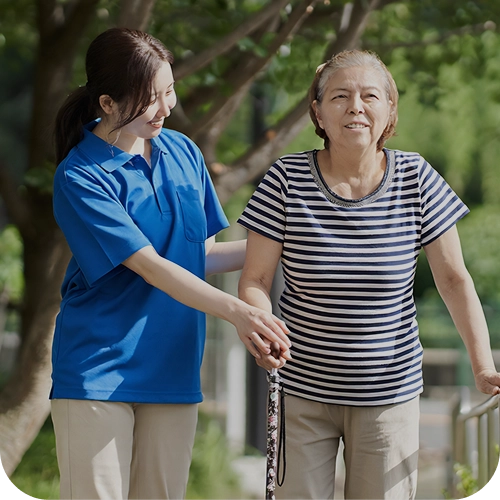
For seniors with reduced mobility, a helper may help prepare clothes, organize personal items, provide steadying support when appropriate, and ensure frequently used items are within easy reach. The simple habits matter: clearing walkways, drying bathroom floors, serving meals on time, and noticing when someone is less steady than usual can reduce stress for the entire household.
However, families should be clear about the limits of the role. A domestic helper is not a trained nurse or a substitute for professional medical care. Complex transfers, wound care, injections, advanced dementia behaviors, or round-the-clock medical monitoring may require additional training. Being realistic about the level of care needed protects both the senior and the helper from an arrangement that is too demanding or unsafe.
Start With the Senior’s Actual Routine
Before speaking with an agency or reviewing candidates, map out an ordinary day. This creates a clearer picture than simply stating that an elderly parent needs “general care.” Consider when the senior wakes, how they move around the home, whether they need reminders, what meals they enjoy, and how much conversation or companionship they prefer.
It also helps to consider the person behind the care needs. A senior who values privacy may need a helper who understands when to step back. Someone who feels anxious when alone may benefit from a helper who is calm, attentive, and comfortable engaging in gentle conversation. If the senior speaks mainly Mandarin, Malay, Tamil, or a Chinese dialect, communication needs should be discussed early rather than treated as a minor detail.
Families should also consider the broader household. Is the helper expected to care for children as well as an elderly family member? Are there pets, multiple floors, or a large home with substantial housekeeping duties? A role combining intensive eldercare, infant care, and extensive household work may not be realistic for one person without carefully structured support.
Look Beyond Previous Eldercare Experience
Prior experience is useful, especially when a candidate has supported seniors with similar mobility or routine needs. Yet experience alone does not guarantee a good placement. The quality of that experience matters. Families should ask what the helper actually did each day, whether she worked independently or alongside family members, and how she responded when the senior was unwell or resistant to help.
A capable elderly care helper needs practical awareness as well as a caring temperament. She should understand the importance of hygiene, safe food handling, fall prevention, medication reminders as directed by the family, and prompt reporting when something seems unusual. She should not guess when a senior’s condition changes or attempt medical tasks outside her training.
Equally important are patience and emotional steadiness. Eldercare can involve repeated questions, slow routines, frustration, and moments of confusion. A helper who speaks respectfully, follows instructions carefully, and remains composed under pressure is often a better long-term fit than someone whose experience appears impressive on paper but who lacks the right disposition.
Questions Worth Asking During Matching
A thoughtful interview should move beyond “Have you cared for the elderly before?” Ask candidates to describe how they would handle a senior who refuses a meal, is unsteady when walking, or seems unusually quiet. Their responses can reveal whether they understand safety, escalation, and respectful encouragement.
Families can also ask about cooking for dietary preferences, experience with mobility aids, and how they communicate updates to employers. There is no need to expect perfect answers or clinical language. The aim is to understand the candidate’s habits, judgment, willingness to learn, and comfort with the responsibilities involved.
Training Helps Turn Good Intentions Into Safe Habits
A helper who is caring by nature still needs practical preparation. Training in elderly support can cover safer home routines, personal hygiene, meal preparation, communication, and the basics of recognizing situations that need family or medical attention. It gives a helper a clearer framework for the work and helps employers set fair, consistent expectations.
Training is particularly helpful when a helper is new to eldercare but has shown the right attitude and learning ability. In some cases, a family may find that a carefully screened helper with relevant training and a strong willingness to learn is a better fit than someone with years of experience in a very different household environment.
At Assured Employment Services, matching is approached as a family-care decision rather than a quick biodata selection. A proper consultation helps identify the household’s priorities, while screening and practical training help narrow the gap between a candidate’s background and the real demands of the role.
Prepare the Home and the Working Relationship
A good placement can be undermined if the home is not set up safely or instructions are unclear. Before the helper arrives, remove loose rugs where possible, improve lighting in hallways and bathrooms, organize medications securely, and make sure emergency contacts are easy to find. If the senior uses a walker, wheelchair, or other mobility aid, show the helper how the family expects it to be used.
The first few weeks are especially important. Create a simple written routine that covers meals, bathing preferences, appointment schedules, household rules, and who to contact in an emergency. Explain the senior’s likes and dislikes, but avoid assuming the helper will know family customs without guidance.
Regular check-ins are better than waiting for a problem. A short weekly conversation gives the helper an opportunity to ask questions and lets family members hear what is happening at home. It also reassures the senior that the arrangement is being managed with care, not simply handed over.
Employment Compliance Is Part of Responsible Care
Hiring a foreign domestic helper in Singapore involves more than choosing the right person. Employers must meet Ministry of Manpower requirements and manage matters such as the Work Permit, medical examinations, insurance, security bond, salary, rest-day arrangements, and proper living conditions.
These responsibilities are not separate from care quality. A helper who understands her duties, receives clear instructions, has adequate rest, and feels able to raise concerns is more likely to provide stable support. Families should also plan for practical milestones such as Work Permit renewals, passport renewals, home leave, or a direct transfer where applicable.
An experienced agency can coordinate these administrative requirements while remaining available after placement. That continued support matters when household needs change, communication becomes difficult, or a family needs guidance on the next appropriate step.
Give the Relationship Time, Structure, and Respect
Even a well-matched helper and family need an adjustment period. The senior may take time to accept assistance, while the helper must learn the home, the routine, and the family’s preferences. Early misunderstandings are often resolved through calm clarification, not immediate assumptions that the placement has failed.
At the same time, families should act promptly when there are genuine safety concerns, repeated neglect of instructions, or signs that the care needs have outgrown what a domestic helper can reasonably provide. Honest reassessment is an act of care, not a criticism of the helper.
The most reassuring eldercare arrangements are built one ordinary day at a time: a familiar breakfast, a safe walk to the bathroom, a timely update after an appointment, and a senior who feels respected in their own home. Choosing carefully at the start gives everyone a better chance to reach that steadier rhythm.